Our Focus Areas
We work where technology, civic participation, and community empowerment meet. Our programs help citizens access information, build skills, and influence decisions that shape their lives.
Good Governance & Civic Participation
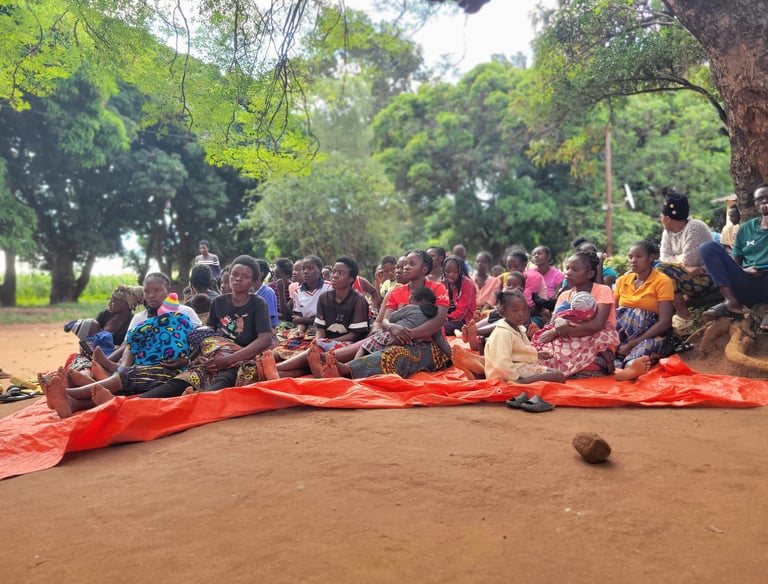
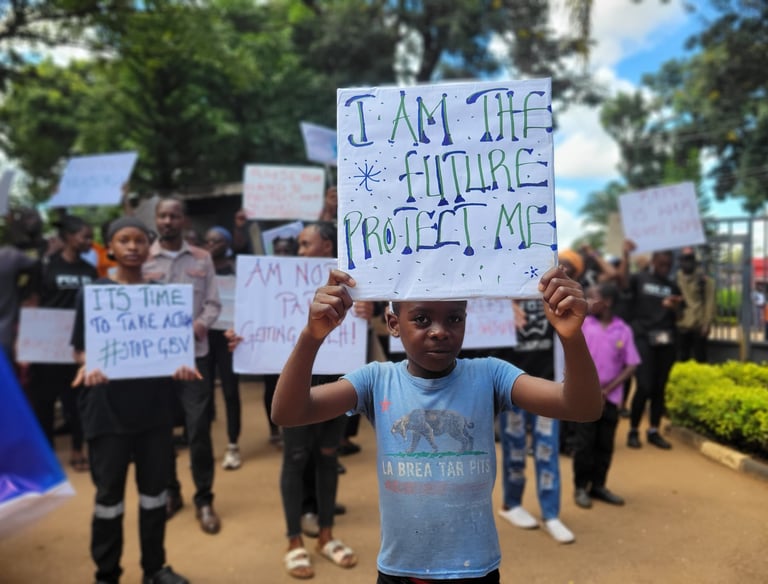
We strengthen citizen engagement, transparency, accountability, and participation in democratic processes. We help communities understand their rights and engage decision-makers effectively:
Civic education
Social accountability
Public participation
Leadership engagement
Governance awareness
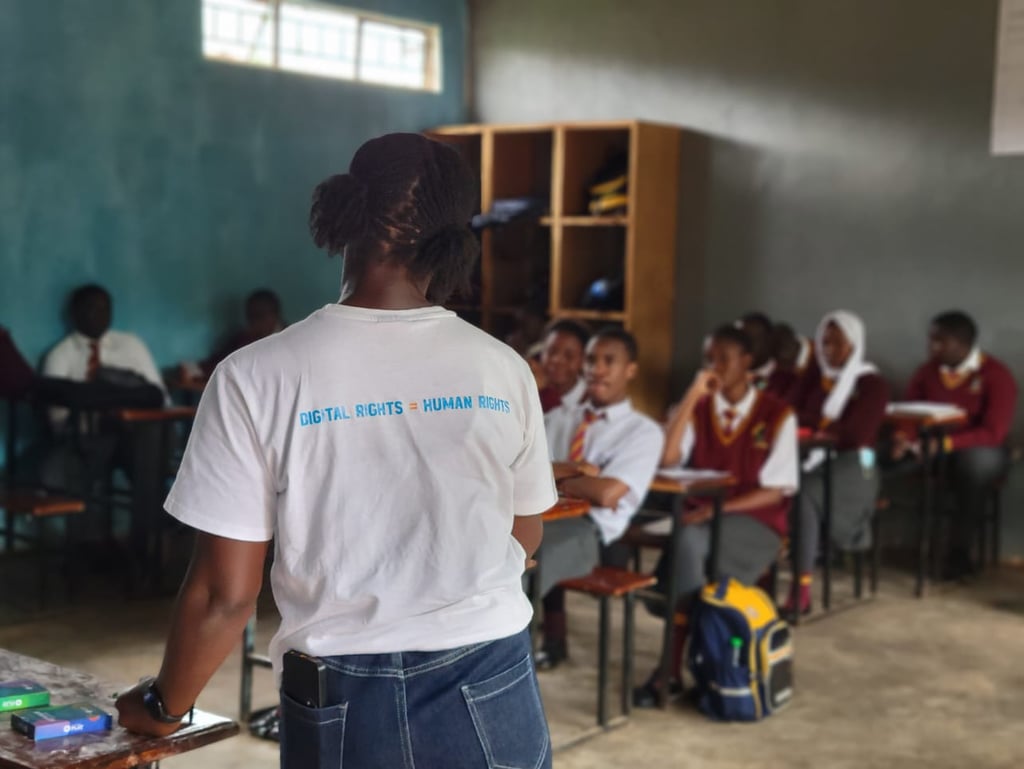
Digital Skills & Inclusion
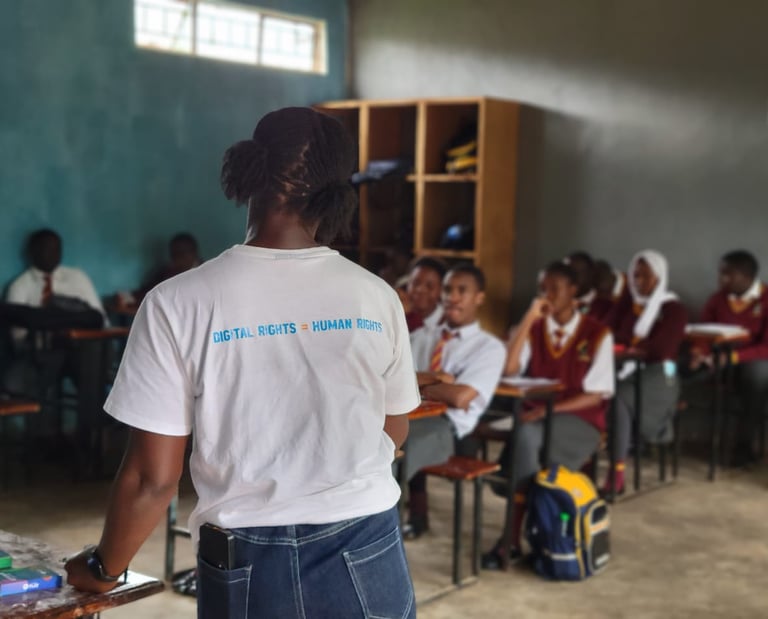
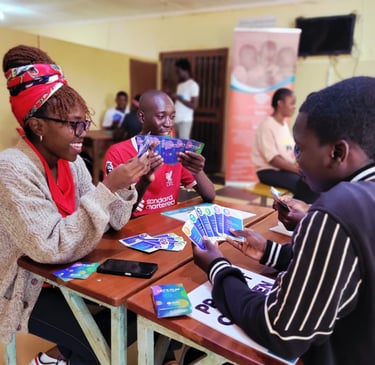
We equip youth, women, children, and underserved groups with practical digital literacy skills for education, employment, entrepreneurship, and safe online participation:
Digital literacy
Online safety
Productivity tools
AI & Youth innovation
Digital opportunities training
We support communities to organize, speak out, and drive local solutions through advocacy, campaigns, partnerships, and evidence-based action:
Grassroots mobilization
Community campaigns
Policy dialogue
Citizen voice platforms
Inclusive advocacy
Community-Led Advocacy
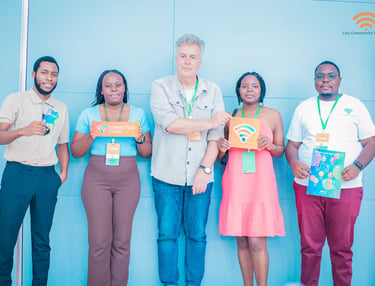
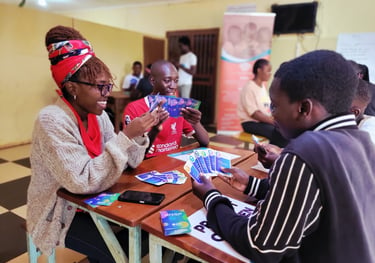
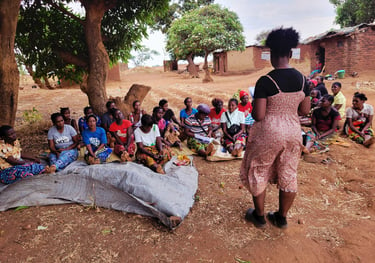
Our Gallery
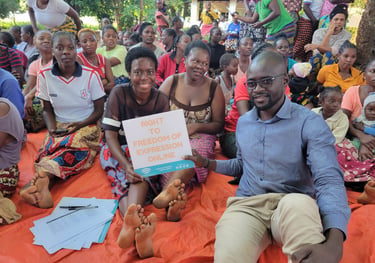
Learn More About Digital Literacy Through Our "Digital Literacy Corner Episodes"


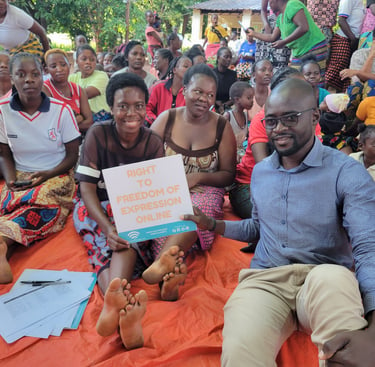
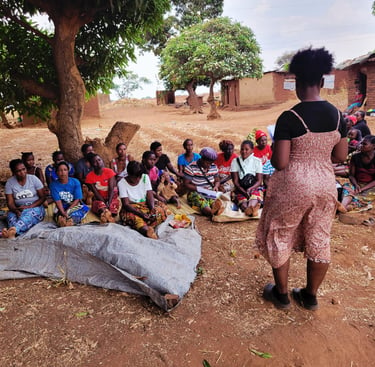
See how Lizu trained 29 women from Mtaya Village in Chipata District in digital literacy, financial literacy and community accountability and are now building skills that matter for their daily lives and their community.

Connect
Contact us
sign up for our newsletter
info@lizu.org
+260 967 854 216
© 2026. All rights reserved.
Visit us
NGO Registration No. 120230055853


DONATE NOW!